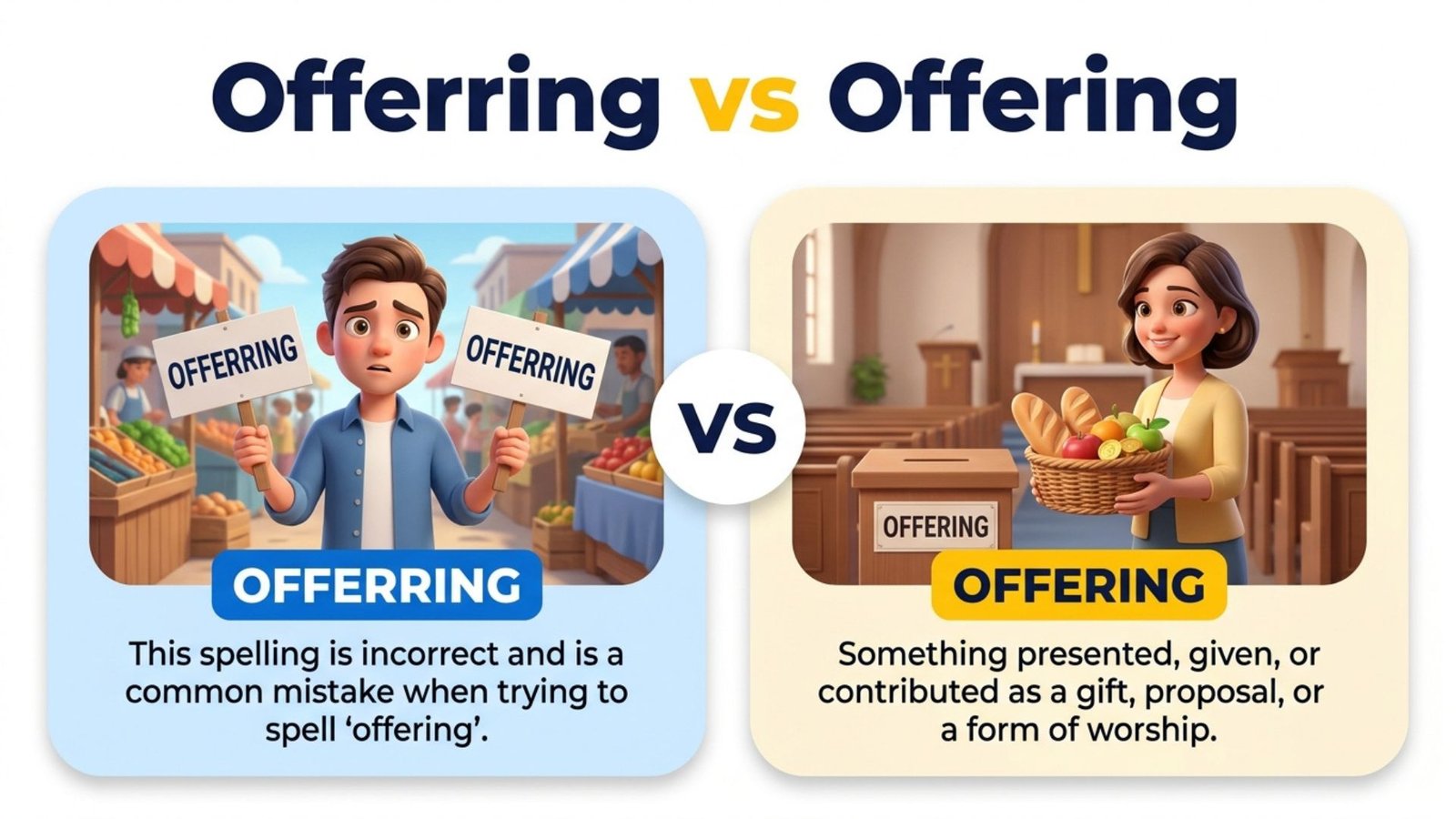
You type it, pause, and squint at the screen. Something feels off. Is it offerring or offering? That tiny doubt has tripped up students, writers, and busy professionals alike, and it never feels good.
This guide clears it up fast. You will learn why offerring is wrong, the real meaning of the word, and simple tricks to settle offerring or offering for good. Correct spelling protects your credibility in every email and résumé. Grab a coffee and keep reading.
Offering vs Offerring: Which Spelling Is Correct?
Ever stared at a word until it stopped looking real? That happens with offerring or offering all the time, and offerring is the culprit that keeps sneaking onto our screens.
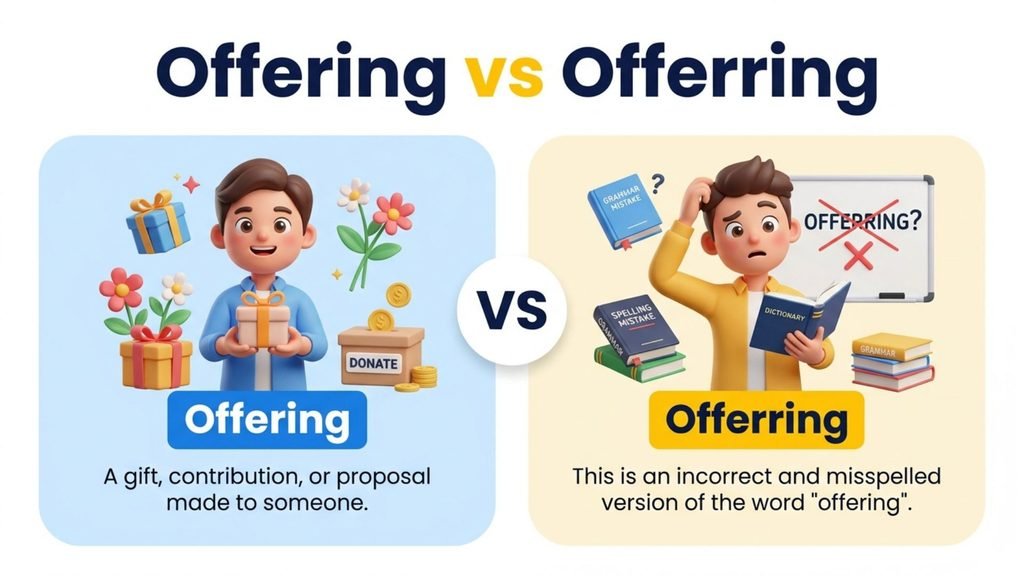
Which Spelling Do Dictionaries Actually Accept?
- Offering is the only spelling listed by Merriam-Webster, Oxford, and Cambridge.
- Offerring appears in no standard dictionary, American or British.
- The word is built from offer plus the suffix -ing.
- A single r stays in the middle, just like the base word.
- Spell checkers usually flag offerring with a red underline right away.
- Doubling the r is a typo many writers repeat without noticing.
- Professional proofreaders mark the doubled version as an error.
Example in texting:
Friend 1: “Should I write offerring or offering on the flyer?”
Friend 2: “Offering, one r. Trust me, the spell checker agrees.”
Quick Answer: Offerring or Offering?
Short on time? Good news: settling offerring or offering takes one second. Simply remember that offerring is the error, and the single-r version wins every single time, in every context.
What Is the Fastest Way to Choose the Right Spelling?
- The correct form has a double f and a single r.
- Offerring with a double r is always a spelling mistake.
- Use offering in emails, essays, résumés, and social media posts.
- The spell check shortcut: if the squiggly line appears, remove one r.
- Say it aloud: OFF-er-ing has three syllables and no extra r.
- When in doubt, type offer, then simply add -ing.
- Save this quick answer for the next time doubt appears.
| Spelling | Correct? | Why |
| offering | Yes | Offer + -ing, no doubling |
| offerring | No | Extra r added by mistake |
| offerred | No | The correct past tense is offered |
Example in texting:
Friend 1: “Quick check: offerring or offering for my menu?”
Friend 2: “Offering. Single r, double f. You’re good.”
What Does Offering Mean?
Words carry weight, and this one does too. Understanding the meaning behind offerring or offering starts with knowing that only the single-r word exists, so offerring carries no real meaning.
Offering as a Verb
Picture someone holding out a helping hand. When offerring or offering shows up as a verb form, it is the present participle of offer, and offerring never fits that job.
- Offering describes an action happening right now: “She is offering help.”
- It works as a present participle after forms of “to be.”
- It can also act as a gerund: “Offering advice is easy.”
- The base verb offer means to present something for acceptance.
- Related forms are offers and offered, both with one r.
- Adding -ing requires no doubling because the stress sits on the first syllable.
- The negative form is also simple: “not offering” keeps one r.
Example in texting:
Friend 1: “Are you offering to drive us tonight?”
Friend 2: “Yes, I’m offering to drive, and I’m bringing snacks.”
Offering as a Noun
Now flip the coin. As a noun, offerring or offering points to something given or presented, and again offerring is only a slip of the fingers, never a real form.
- A gift or contribution handed over: “a small offering of fruit.”
- A company’s product or service: “the brand’s newest offering.”
- A creative work: “the band’s latest offering hit streaming platforms.”
- A religious donation or sacrifice made during worship.
- A stock offering that companies use to raise capital.
- Plural offerings covers several items: “course offerings” or “menu offerings.”
- Common pairings include peace offering, product offering, and burnt offering.
| Sense | Meaning | Example |
| Gift | Something given to a person or deity | She left an offering of rice |
| Product | An item a business provides | Our newest offering ships in May |
| Creative work | An artist’s latest release | The album is the band’s boldest offering |
| Financial | A sale of shares to raise money | The company announced a public offering |
Example in texting:
Friend 1: “That coffee shop’s new offering is a lavender latte.”
Friend 2: “Lavender? Okay, that offering has my full attention.”
What Are Offerings?
Plural time! Whenever you talk about several gifts, products, or services together, offerring or offering becomes offerings, and the double-r offerring mistake sneaks in there just as easily as before.
What Counts as an Offering in Everyday Life?
- Menu offerings are the dishes a restaurant serves.
- Course offerings list the classes a school provides each term.
- Product offerings describe everything a brand sells to customers.
- Religious offerings include flowers, incense, rice, and fruit left at temples.
- Charitable offerings are donations given to help a cause.
- Every plural form keeps one r: offerings, never offerrings.
- Streaming platforms describe their content library as their offerings too.
Example in chat:
Friend 1: “Did you see the streaming service’s new offerings?”
Friend 2: “Yes! Their offerings this month finally include documentaries.”
Offering Pronunciation and Word Origin
Sounding a word out often fixes the spelling. Hear offerring or offering in your head as OFF-er-ing, and you notice offerring has no extra beat where that second r sits.
How Do You Pronounce Offering?
- Say OFF-er-ing, with three clear syllables and stress on the first.
- British speakers often say /ˈɒfərɪŋ/, while Americans say /ˈɔːfərɪŋ/.
- The word traces back to Latin offerre, meaning to present or bring.
- Old English borrowed it as a sacrifice term used in worship.
- Its root word, offer, carries the same core idea of presenting.
- Hearing three beats helps you write one r, not two.
- Stress on the first syllable also explains why no doubling happens.
Example in chat:
Friend 1: “How do you say offering? Like OFF-ring?”
Friend 2: “Three beats: OFF-er-ing. That middle ‘er’ is the clue.”
Why “Offerring” Is Incorrect
Here is the honest truth. The reason offerring or offering trips people up is simple: offerring breaks a basic English spelling pattern, and that pattern is easier than it sounds.
The Correct Spelling Rule
Rules feel scary until they click. The doubling rule behind offerring or offering says a final consonant doubles only when the last syllable is stressed, which explains why offerring fails.
- Offer stresses the first syllable: OF-fer, so no doubling occurs.
- Words like refer stress the last syllable, so they double: referring.
- Prefer becomes preferring, but offer becomes offering. Stress makes the difference.
- The -ing suffix attaches directly to offer without any extra letters.
- Two r’s would suggest a stressed syllable that simply isn’t there.
- Follow the rule and offering writes itself, every time.
- The same logic explains offered, which never becomes offerred.
Example in texting:
Friend 1: “Why isn’t it offerring like preferring?”
Friend 2: “Stress! pre-FER-ring doubles the r, but OFF-er-ing doesn’t.”
Offerring vs Offering: Comparison Table
Sometimes seeing beats reading. This side-by-side look at offerring or offering lays out every detail in one quick, clear glance, so offerring finally stops feeling like a random coin toss.
How Do the Two Spellings Compare Side by Side?
| Feature | Offering | Offerring |
| Correct spelling | Yes | No |
| Found in dictionaries | Yes | No |
| Number of r’s | One | Two |
| Syllables | Three (OFF-er-ing) | Three, but misspelled |
| Part of speech | Verb form and noun | None |
| Safe for formal writing | Yes | Never |
- Choose offering for every verb, noun, and plural use.
- Treat offerring as a typo and fix it immediately.
- Both spellings look similar, which explains the confusion on screens.
- Only offering earns a green light from spell check tools.
- Search engines may autocorrect offerring to the right form.
- Copy the correct form once, then reuse it across documents.
- Screenshot the table as a cheat sheet for future writing.
Example in texting:
Friend 1: “Menu draft says offerring. Is that fine?”
Friend 2: “Nope. Change it to offering before the printer sees it.”
Examples of Offering in Sentences
Real sentences make spelling stick. Below you will see offerring or offering used correctly across work, home, and worship, and you will notice offerring never once earns a place here.
Business Context
Professional writing punishes even small slips. In business, offerring or offering decides whether your pitch looks polished, and offerring on a slide deck can quietly cost you trust with clients.
- “Our new product offering launches this spring.”
- “The service offering includes free onboarding and support.”
- “We are offering a 10 percent discount to new customers.”
- “Investors reviewed the stock offering before the deadline.”
- “Compare each offering before choosing a subscription plan.”
- “The startup’s core offering solves one clear problem.”
- “Every offering on our pricing page includes a free trial.”
| Term | Meaning |
| Product offering | An item a company sells |
| Service offering | A support or work package provided |
| Public offering | A sale of shares to investors |
| Core offering | The main product a business is known for |
Example in chat:
Friend 1: “Should the landing page say offerring or offering?”
Friend 2: “Offering. Clients read that headline first.”
Everyday Situations
Daily life is full of small gestures. In casual moments, offerring or offering appears in texts and notes, and remembering that offerring is wrong keeps your messages clean and confident.
- “He brought flowers as a peace offering after the argument.”
- “Thanks for offering to help me move this weekend.”
- “She left a small offering of fruit for her neighbor.”
- “The bakery’s newest offering is a cardamom bun.”
- “I’m offering you my seat; please sit down.”
- “The school shared its evening course offerings online.”
- “Grandma’s offering of soup made the cold day better.”
Example in texting:
Friend 1: “I’m offering pizza if you help me paint.”
Friend 2: “Deal. Best offering I’ve had all week.”
Religious Context
Faith traditions give this word deep roots. In religious writing, offerring or offering must always stay accurate, since offerring would quickly distract readers from something sacred, sincere, and deeply meaningful.
- Worshippers bring offerings of flowers, incense, and food to temples.
- Churches collect an offering during services to support their work.
- The offertory is the moment in a service when gifts are presented.
- A sacrifice in older texts often means an offering made to a deity.
- A tithe is a set portion of income, often a tenth.
- Religious writing spells it offering, with one r, in every tradition.
- Interfaith writing keeps the spelling consistent: offering, offerings, offered.
Example in chat:
Friend 1: “Do we bring an offering to the temple tomorrow?”
Friend 2: “Yes, fruit and flowers. I’ll grab the offerings on my way.”
Peace Offering Meaning and Origin
Everyone has needed to say sorry with more than words. A peace offering shows how offerring or offering stretches beyond spelling, and offerring would instantly spoil such a heartfelt gesture.
What Does a Peace Offering Look Like Today?
- A peace offering is a gift meant to repair a broken relationship.
- The idea has deep religious roots, especially in ancient sacrificial traditions.
- Modern versions include flowers, coffee, handwritten notes, or a home-cooked meal.
- It works best when paired with a sincere apology.
- Workplaces use it too: a thank-you treat after a tense meeting.
- Spell it peace offering, never peace offerring, in every card and message.
- The phrase appears in classic literature and everyday speech alike.
Example in texting:
Friend 1: “I brought donuts as a peace offering. Still mad?”
Friend 2: “Donuts? Fine, apology accepted. Save me the glazed one.”
Common Mistakes with Offering
Everyone slips sometimes, so relax. Most errors around offerring or offering are small and fixable, and spotting offerring early is the fastest path to writing cleanly, confidently, and without second-guessing.
Mistake 1: Writing “Offerring”
This is the big one. Writing offerring is easily the classic error in offerring or offering, and it usually comes from simply doubling a letter that never needed a twin.
- Offerring appears when writers double the r out of habit.
- It often shows up in hurried emails, captions, and chat messages.
- Search results may show it, but that never makes it correct.
- Fix it by deleting one r: offering.
- Run a quick find and replace for offerring before publishing.
- Add the correct spelling to your custom dictionary for future safety.
- Regular proofreading habits reduce these slips dramatically over time.
Example in texting:
Friend 1: “Did I really write ‘special offerring’ on the poster?”
Friend 2: “Yep. Drop one r and you’re golden: special offering.”
Mistake 2: Assuming the Letter Should Double
Doubling feels logical. Because many words double letters before -ing, people assume offerring or offering works the same way, yet offerring ignores the stress rule that guides every doubling decision.
- Words like begin and occur double because the last syllable is stressed.
- Offer has stress up front, so the final r stays single.
- Pattern matching is a cognitive shortcut that sometimes misleads spelling.
- Compare suffering and differing: both keep one r before -ing.
- Apply the stress test: say the word and find the loudest syllable.
- Trust the rule, not the instinct, when doubling feels tempting.
- Watch for the same trap in offered, which stays offered.
Example in chat:
Friend 1: “Begin becomes beginning, so offer becomes offerring, right?”
Friend 2: “Nope. Beginning doubles because of stress. Offering doesn’t.”
Mistake 3: Typing Too Quickly
Speed is a sneaky enemy. When you rush, offerring or offering turns into a finger-slip, and offerring slides through because your brain reads what it expects, not what you typed.
- Fast typing creates double-tap errors on keys like r.
- Mobile keyboards and autocorrect can insert extra letters unexpectedly.
- Tired eyes skim past repeated letters without registering them.
- Read your draft aloud to catch what silent reading misses.
- Take a five-minute break, then proofread with fresh eyes.
- Enable spell check in every app you write in.
- Slow, deliberate keystrokes matter most on words you know well.
Example in texting:
Friend 1: “Typed offerring again. My thumbs are too fast tonight.”
Friend 2: “Slow down, champ. One r, then you’re set.”
Is Offerring a Real Word in English?
Let’s settle this plainly. Asking whether offerring or offering are both legitimate is fair, and the answer is no: offerring is not a real English word in any major dictionary.
Why Do So Many People Type Offerring?
- Visual memory favors familiar patterns like preferring and referring.
- Many double-consonant words create a false rule in people’s minds.
- Two r’s look balanced, so the wrong version feels right.
- Non-native learners often overgeneralize spelling rules from other words.
- Exposure matters: seeing the typo online can reinforce it.
- Knowing the why replaces guessing with confident, correct spelling.
- The fix takes seconds: remove one r and move on.
Example in chat:
Friend 1: “Why does offerring look right to me?”
Friend 2: “Because preferring has two r’s. Offering just doesn’t follow that pattern.”
Memory Trick to Remember the Correct Spelling
Good memory tricks feel like tiny victories. Here is a simple, friendly way to lock in offerring or offering for life, so offerring never sneaks back into your writing again.
Which Simple Trick Helps You Remember Offering?
- Think offer + ing: one word, one suffix, nothing extra.
- Picture the word as OFF-er-ing, three beats and three chunks.
- Remember: double f, single r. The f already did the doubling.
- Link it to suffering, another word with one r before -ing.
- Write the word by hand five times to build muscle memory.
- Create a mnemonic: “Offer gently, with no extra r.”
- Repeat it in a sentence you actually use often.
Example in texting:
Friend 1: “Any trick for spelling offering?”
Friend 2: “Double f, single r. The f already did the doubling for you.”
Initial Public Offering (IPO) Meaning Explained
Big business loves this word too. In finance, offerring or offering shows up in headlines about stock markets, and offerring on a financial page would quickly hurt a credible report.
How Does an Initial Public Offering Work?
- Initial public offering is the full name behind the abbreviation IPO.
- An IPO lets a company raise capital by selling shares to investors.
- A secondary offering is a later sale of shares after the IPO.
- The stock market is where these newly offered shares begin trading.
- Financial writers spell it offering with one r in every headline.
- Investors read the prospectus to learn about the offering’s risks.
- Company valuation and demand influence the offering price on listing day.
Example in chat:
Friend 1: “Is the company’s initial public offering next week?”
Friend 2: “Yes, the IPO opens Thursday. I’m watching the offering price.”
What Is the Difference Between Offer and Offering?
This confusion is very common. Whether you write offerring or offering, you still need to separate offer from offering, and offerring adds a second problem on top of that mix-up.
When Should You Use Offer and When Offering?
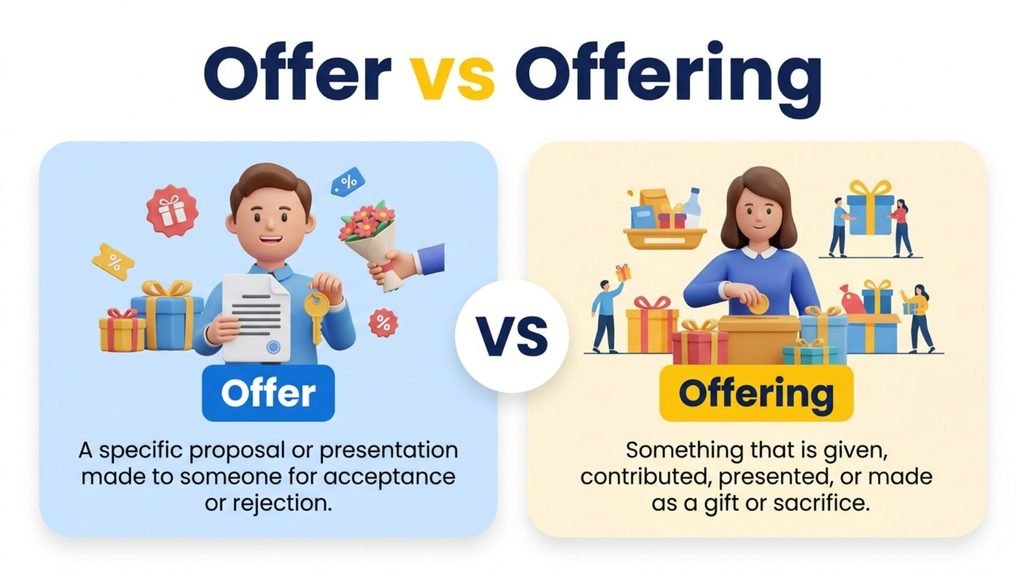
- Offer as a noun means a proposal, bid, or invitation.
- Offering as a noun means the thing actually given or presented.
- Say “a job offer” when someone proposes hiring you.
- Use offer as a verb for the act: “I offer my help.”
- Use offering for a business’s product: “their latest offering.”
- Both words keep a single r; neither ever becomes offerring.
- When unsure, test the sentence by swapping in gift or proposal.
Example in texting:
Friend 1: “They sent me a job offer! Or is it offering?”
Friend 2: “Job offer. An offering is the thing given, like a gift or product.”
Similar Words That Follow the Same Pattern
Patterns make spelling easier. Once you see clearly how offerring or offering matches other words, offerring stops looking tempting, because dozens of familiar, everyday words follow the identical single-r rule.
Which Other Words Skip the Double Letter?
- Suffering keeps one r because the stress lands on the first syllable.
- Differing, entering, and gathering follow the same rule.
- Wondering, remembering, and answering never double the final consonant either.
- Preferring, referring, and occurring double because the last syllable is stressed.
- Words like covering and delivering also keep a single r.
- Even considering, wandering, and recovering keep a single r.
- Once you notice the pattern, spelling gets easier, one word at a time.
| Base word | Stress | With -ing | Doubles? |
| offer | OFF-er | offering | No |
| suffer | SUFF-er | suffering | No |
| enter | EN-ter | entering | No |
| prefer | pre-FER | preferring | Yes |
| refer | re-FER | referring | Yes |
| occur | oc-CUR | occurring | Yes |
Example in chat:
Friend 1: “Suffering, offering, entering. Why no double r?”
Friend 2: “Stress is on the first syllable. Only stressed endings double.”
Offering Synonyms and Related Words
Variety keeps writing fresh. Sometimes the smartest fix for offerring or offering is choosing a different word, and swapping in a synonym means offerring has no real chance to appear.
What Are the Best Synonyms for Offering?
- Gift is the most general and friendly alternative.
- Donation suits charity, fundraising, and community support contexts.
- Contribution emphasizes joining others in giving something together.
- Tribute shows respect toward a person, memory, or achievement.
- Proposal or bid fits when someone offers terms for acceptance.
- Sacrifice appears in religious writing for something valuable surrendered.
- Choose synonyms based on tone: formal, warm, religious, or commercial.
| Synonym | Best Used When | Example |
| Gift | Casual giving | She wrapped a gift for him |
| Donation | Supporting a cause | The donation supports a food bank |
| Contribution | Group effort | Every contribution counts |
| Tribute | Showing respect | The song is a tribute to her |
| Presentation | Formal handing over | The presentation of awards begins |
Example in texting:
Friend 1: “Should I say offering or gift on the card?”
Friend 2: “Gift sounds warmer. Offering feels a bit more formal.”
What Does Offering Mean in the Bible and Church?
Faith communities use this word constantly. In sermons and study guides, offerring or offering carries spiritual weight, and offerring in a church bulletin can pull attention away from the message.
What Is a Church Offering Used For?
- A church offering is money or gifts given during worship.
- Funds often support ministry, building costs, and community outreach.
- In the Bible, offerings include grain, animals, and firstfruits.
- A burnt offering was wholly consumed on the altar in ancient practice.
- A freewill offering is given voluntarily, from the heart.
- Church bulletins and Bible studies all spell it offering, one r.
- Thank offerings express gratitude, while sin offerings seek forgiveness.
Example in chat:
Friend 1: “When does the offering happen during service?”
Friend 2: “After the sermon. They pass the offering plate around.”
American vs British English
English has two varieties and many odd spelling quirks. Luckily, offerring or offering never splits between them, and offerring is equally wrong in New York, London, Sydney, or anywhere else.
Does Offering Change Between US and UK English?
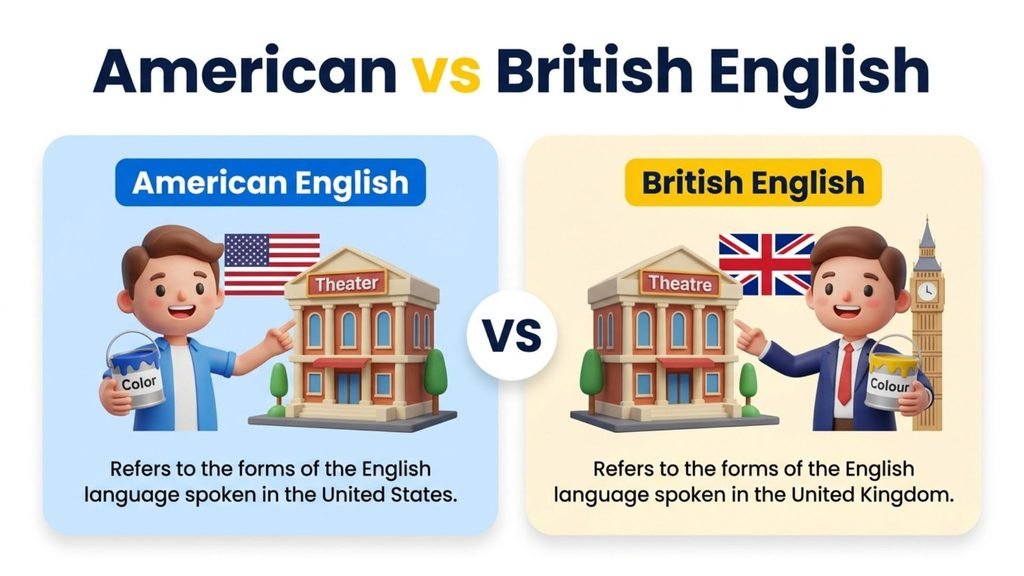
- Offering is identical in American and British English.
- Neither variety accepts offerring as an alternative spelling.
- Pronunciation shifts slightly, but the spelling stays exactly the same.
- British English doubles l in travelling; American English writes traveling.
- Similarly, cancelled is British, while canceled is common in American English.
- Words like offence and offense differ, but offering never does.
- Spell checkers set to either language setting accept only offering.
| Word | American English | British English |
| offering | offering | offering |
| traveling | traveling | travelling |
| canceled | canceled | cancelled |
| offense | offense | offence |
| color | color | colour |
Example in texting:
Friend 1: “My British cousin spells everything differently. Offering too?”
Friend 2: “Nope. Offering is the same in both, single r.”
Frequently Asked Questions
Is it offerring or offering?
Between offerring or offering, only offering is correct. It has one r.
Is offering spelled with one r or two?
Offering has one r before -ing. When checking offerring or offering, remove the extra r.
What does offering mean?
It means giving or presenting something. In offerring or offering, only offering carries that meaning.
Is offering a noun or a verb?
Both. In offerring or offering, spell it with one r either way.
What is the difference between offer and offering?
Offers are proposals; offerings are gifts or products. In offerring or offering, offering wins.
Is offering the same in British and American English?
Yes, both use one r. Offerring or offering never changes across American and British English.
How do I remember the spelling of offering?
Think “offer” plus “ing.” In offerring or offering, add nothing extra.
Conclusion
So, offerring or offering? The answer is simple: offering is the only correct spelling. The extra r in offerring usually comes from mixing it up with words like preferring and referring, where the stress lands on the final syllable. Because offer stresses its first syllable, it keeps a single r before -ing.
Whether you mean a gift, a proposal, or a company’s latest product, the spelling never changes. Next time you wonder about offerring or offering, remember the golden rule: offer plus ing, nothing extra. Even when a spell checker misses it, your eyes won’t.
Try this today: proofread one email or page for this word. Catching offerring or offering slips builds a habit that sharpens every sentence you write.

Ella Brooks is a passionate writer sharing thoughtful words, inspiring ideas, helpful tips, and engaging content for everyday readers.










2 thoughts on “Offerring or Offering: Simple Meaning You’ll Never Forget 2026”